

Chile has one of the highest incomes per head in South America. The country is a long strip along the Pacific, from the Atacama Desert in the north to the glaciers of Patagonia in the south, with very different climates along the way. It was also the first Latin American country to sign a free trade agreement with China, and cherries, wine and copper tie the two economies closely together.
This guide looks at Chile from the point of view of a PRC citizen: culture, the economy and jobs, cost of living, healthcare, the Chinese community, visa and residence routes and safety, compared with home, to help you decide whether moving to Chile is right for you and which route suits you.
Why Chile
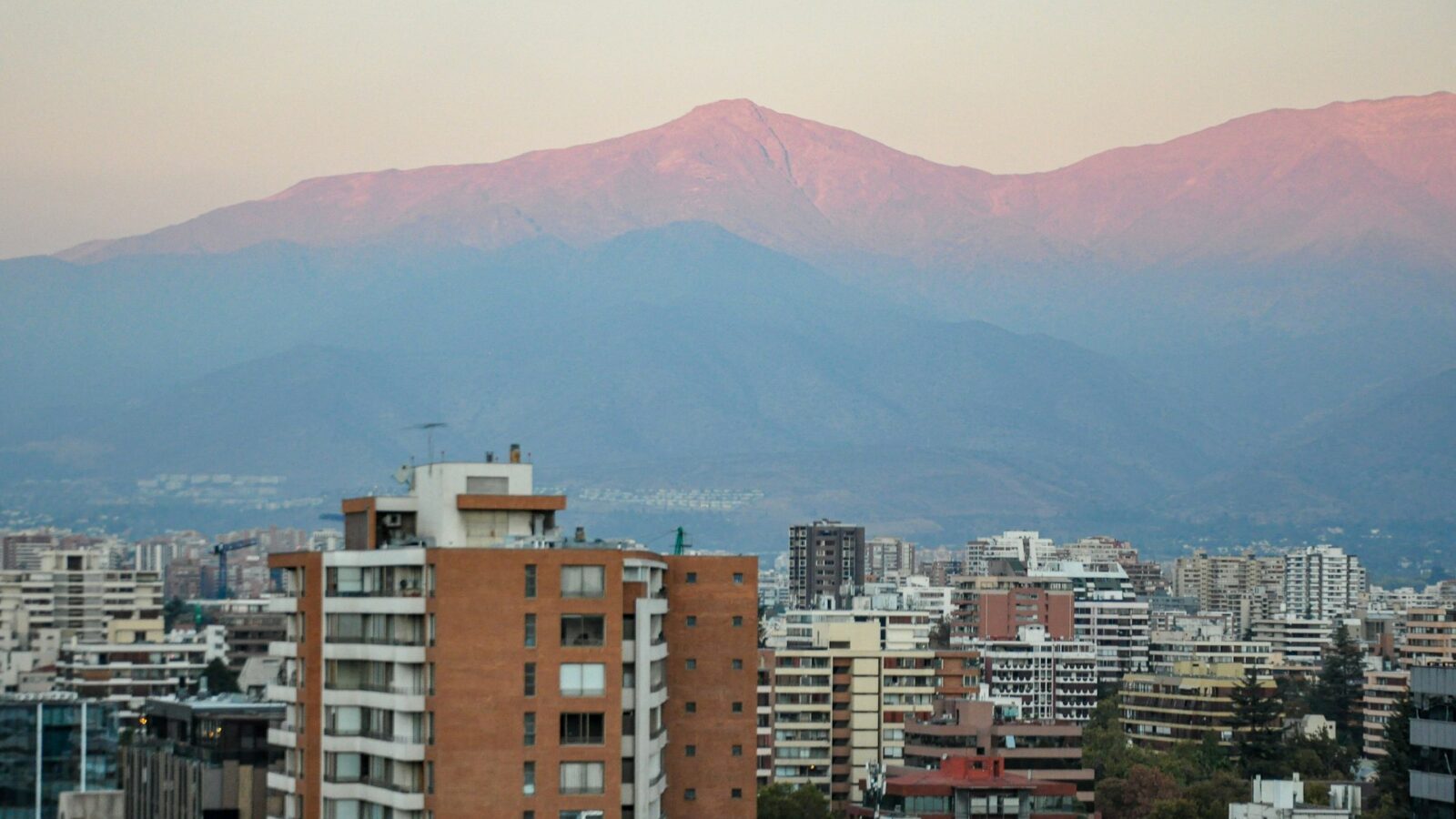
Chile’s economy rests on mining, agriculture and services. It is the world’s largest copper producer and has huge lithium reserves. The China–Chile FTA took effect in 2006 and was upgraded in 2019, and China has long been Chile’s largest trading partner. The capital, Santiago, holds most of the population and corporate headquarters, and its infrastructure, metro and services are among the best in Latin America.
For Chinese movers, Chile offers relatively high incomes and public services for the region, a comparatively orderly business environment and rule of law, and dense trade links with China. Foreign residents make up close to a tenth of the population, so locals are used to newcomers. On the other hand, living costs are clearly higher than in neighbouring countries — rent and prices in Santiago are no cheaper than in a Chinese tier-two city — crime has worsened in recent years and immigration policy is tightening.
Culture and etiquette
Spanish is the official language, but Chilean Spanish is fast and full of slang and is often called one of the hardest accents to follow. Even if you studied Spanish in China, expect an adjustment period. English works in international companies and universities; daily life and government business are in Spanish.
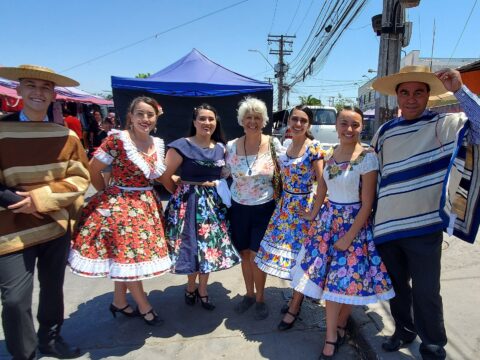
Chileans greet with a handshake or a kiss on the cheek and are a little more reserved than Peruvians or Argentines; punctuality and rules matter. Most people are Catholic or Protestant. The national holidays around 18 September (Fiestas Patrias) are the biggest celebration of the year, and many people take a week off. With a dry north, a Mediterranean centre and a cold, rainy south, climate is a real factor when choosing a city.
Earthquakes are the other fact of life. Chile lies on the Pacific Ring of Fire, strong quakes are frequent and building codes are strict. When you arrive, learn your building’s evacuation route and turn on earthquake and tsunami alerts on your phone.
Economy and jobs
Chile has a very open economy built on mining (copper, lithium), forestry, fruit, wine and salmon exports. China is one of the largest buyers of Chilean cherries, copper concentrate and pulp, which creates many China-related jobs in trade, logistics and translation.
Common paths for PRC citizens include postings with Chinese mining, new-energy, power and telecom companies; exporting farm produce to China and cross-border trade; wholesale and retail in the Iquique free trade zone in the north; and Chinese teaching, restaurants and services. Chilean employers value degrees and Spanish; local hiring generally requires working Spanish.
Tax and company registration are handled by the Internal Revenue Service (SII). Getting a tax number (RUT) and a bank account are the first practical steps; see Banking in Chile.
Cost of living
Chile is one of South America’s more expensive countries. According to Numbeo data updated on 2 October 2026, a single person in Santiago spends about CLP 681,000 (about US$696) a month excluding rent, and a family of four about CLP 2.44 million (about US$2,488).
A meal in a cheap restaurant costs about CLP 10,000. Electricity and gas cost more than in China, and winter heating is a significant expense. Many Chinese residents live in eastern Santiago districts such as Providencia, Las Condes and Ñuñoa, or downtown near the wholesale markets. When moving money out of China, respect the annual personal FX quota; see Foreign exchange and transfers when leaving China. For a detailed breakdown, see Cost of living in Chile.
Healthcare
Chile runs a dual public–private system. Formal employees pay 7% of their salary into health insurance and choose either the public National Health Fund (FONASA) or a private insurer (ISAPRE). FONASA covers most of the population and is cheap, but public hospitals have long waits; ISAPRE gives access to private clinics and faster service, with premiums linked to age and health.
Santiago’s private hospitals are among the best in Latin America. Once foreigners have residence and formal employment they join the system. Before you have a job, buy international or travel medical insurance that covers Chile. See Health insurance in Chile.
The Chinese community
Chinese labourers reached northern Chile from Peru as early as the 19th century. Chile’s statistics office does not publish a current count of Chinese nationals, but local sources agree that new Chinese immigration has grown markedly over the past decade or so. Most Chinese live in Santiago, with sizeable communities in Iquique and Arica in the north and the Valparaíso region, mainly in trade, restaurants and retail. Chilean media counted 457 Chinese restaurants in the country in 2016, 156 of them in Santiago.
Barrio Meiggs in Santiago is a well-known wholesale district; in June 2024 a Chinese gateway donated by local Chinese associations was inaugurated there, and the area is officially recognised as Chile’s first Chinatown. The Iquique free trade zone (ZOFRI) is home to many Chinese importers and exporters. Newcomers can get help from associations, chambers of commerce and WeChat groups, but should watch for phone scams impersonating the embassy or Chinese police — the Chinese embassy in Chile has issued specific warnings. See The Chinese community in Chile.
Visa and residence routes
PRC citizens with ordinary passports generally need a visa for Chile. Holders of a US or Canadian entry visa (not a transit visa) with more than six months of validity can enter visa-free for up to 90 days. Living in Chile requires temporary residence (Residencia Temporal), and under the immigration law in force since 2021 most categories must be applied for online from outside Chile.
| Route | Who it suits | Key points |
|---|---|---|
| Tourist/business visa | Scouting trips, short business travel, family visits | Apply on Chile’s online consular platform; up to 90 days |
| US/Canada visa exemption | Holders of US or Canadian visas valid 6+ months | Up to 90 days; no work |
| Temporary residence: paid work | Contract or job offer from a Chilean employer | Online from abroad; up to 2 years, renewable |
| Temporary residence: students | Students at Chilean institutions | Needs proof of enrolment; may work up to 30 hours a week |
| Temporary residence: family reunification | Relatives of Chileans or residents | Can be applied for inside Chile |
| Temporary residence: investors, retirees and rentiers | Investors, pensioners, people with stable income | Investors: at least US$500,000 plus a sponsorship letter from InvestChile; retirees and rentiers: income that covers basic needs (SERMIG) |
For documents, fees and procedures, see the Chile visa guide.
Safety
Chile used to be seen as South America’s safest country, but robbery, burglary and organised crime have risen noticeably in Santiago and other cities, public concern has grown and immigration has become a political flashpoint. Overall, Chile is still safer than big cities in Peru or Brazil, but you should not be complacent.
Emergency numbers: police (Carabineros) 133, fire 132, ambulance 131. Avoid walking alone at night in quiet streets and secure your shop. If a caller claiming to be the embassy, a courier or the police asks you to transfer money, hang up and verify.
Long-term residents should follow safety notices from the Chinese embassy in Chile. On the leisure side, casinos in Chile operate under a licensing system; for what is legal and how it affects Chinese citizens, see Gambling laws in Chile.
Pros and cons
Pros
- Incomes and public services among the best in South America
- Relatively orderly rule of law and business climate, less corruption
- Close trade with China, many related jobs and business opportunities
- Good infrastructure, metro, healthcare and education in the capital
- Varied nature, from desert to glaciers
Cons
- High living costs for South America; rent and energy are expensive
- Chilean Spanish is hard to follow
- Frequent earthquakes; preparedness is essential
- Crime has risen and immigration policy is tightening
- Very far from China with no direct flights
Before you leave China
Chilean residence applications usually require a criminal record certificate issued within the last 60 days and a passport valid for at least one year. Foreign documents must be apostilled or legalised, and documents not in Spanish or English need an official translation. Prepare in this order:
- Renew your passportMake sure it has at least a year of validity when you apply
- Get a criminal record certificateMind the 60-day limit; get it within a month of applying
- Notarise and apostilleDo degrees, marriage and birth certificates at the same time
- Apply onlineRegister on the migration service’s digital platform, submit from abroad and pay
- Register after arrivalGet your foreigner ID card and tax number as required
See Getting a criminal record certificate, or start with the South America overview and compare Chile with neighbouring Peru.
FAQ
Is moving to Chile a good idea?
If you have professional skills, China-trade connections or steady remote income, Chile offers some of the best quality of life and governance in South America. On a tight budget and without plans to learn Spanish, costs and language will be the main obstacles.
Are Chile’s immigration requirements demanding?
Chile has no points system. You apply through temporary residence subcategories such as work, study, family or investment. After 24 months of temporary residence (12 months in some cases) you can apply for permanent residence. The bar is moderate but the paperwork is strict.
Can I go as a tourist and apply for residence in Chile?
Generally no. Under the new immigration law, temporary residence must be applied for from outside Chile, except in a few cases such as family ties to Chilean citizens or permanent residents.
Is daily life convenient for Chinese residents?
Santiago has Chinese supermarkets, restaurants and Chinese schools, and Chinese ingredients are fairly easy to find, though on a smaller scale than in North America. In smaller cities you will live almost entirely in Spanish.
Sources
- World Bank – Population, total (Peru, Chile) (accessed October 2026)
- World Bank – GDP per capita, current US$ (Peru, Chile, China) (accessed October 2026)
- INE Chile – Demografía y migración: Estimación de personas extranjeras 2023 (accessed October 2026)
- INE Chile – Censo de Población y Vivienda 2024 (accessed October 2026)
- Numbeo – Cost of Living in Santiago (updated 2 Oct 2026) (accessed October 2026)
- Consulado de Chile – Información sobre visas para ingresar a Chile (accessed October 2026)
- Servicio Nacional de Migraciones (SERMIG) – Residencia Temporal (accessed October 2026)
- Wikipedia – Visa policy of Chile (secondary source, citing cs.mfa.gov.cn) (accessed October 2026)
- Wikipedia (es) – Inmigración china en Chile (secondary source) (accessed October 2026)
- SERMIG – Temporary residence subcategory: Investors (accessed October 2026)
- SERMIG – Temporary residence subcategory: Retirees and rentiers (accessed October 2026)
- SERMIG – Temporary residence subcategory: Students (accessed October 2026)
- Expat.cl – Chile visa by nationality (updated Jun 2026, secondary source) (accessed October 2026)
- Vialto Partners – Chile updates list of countries requiring prior authorization or consular visa (Sep 2025, advisory firm) (accessed October 2026)