
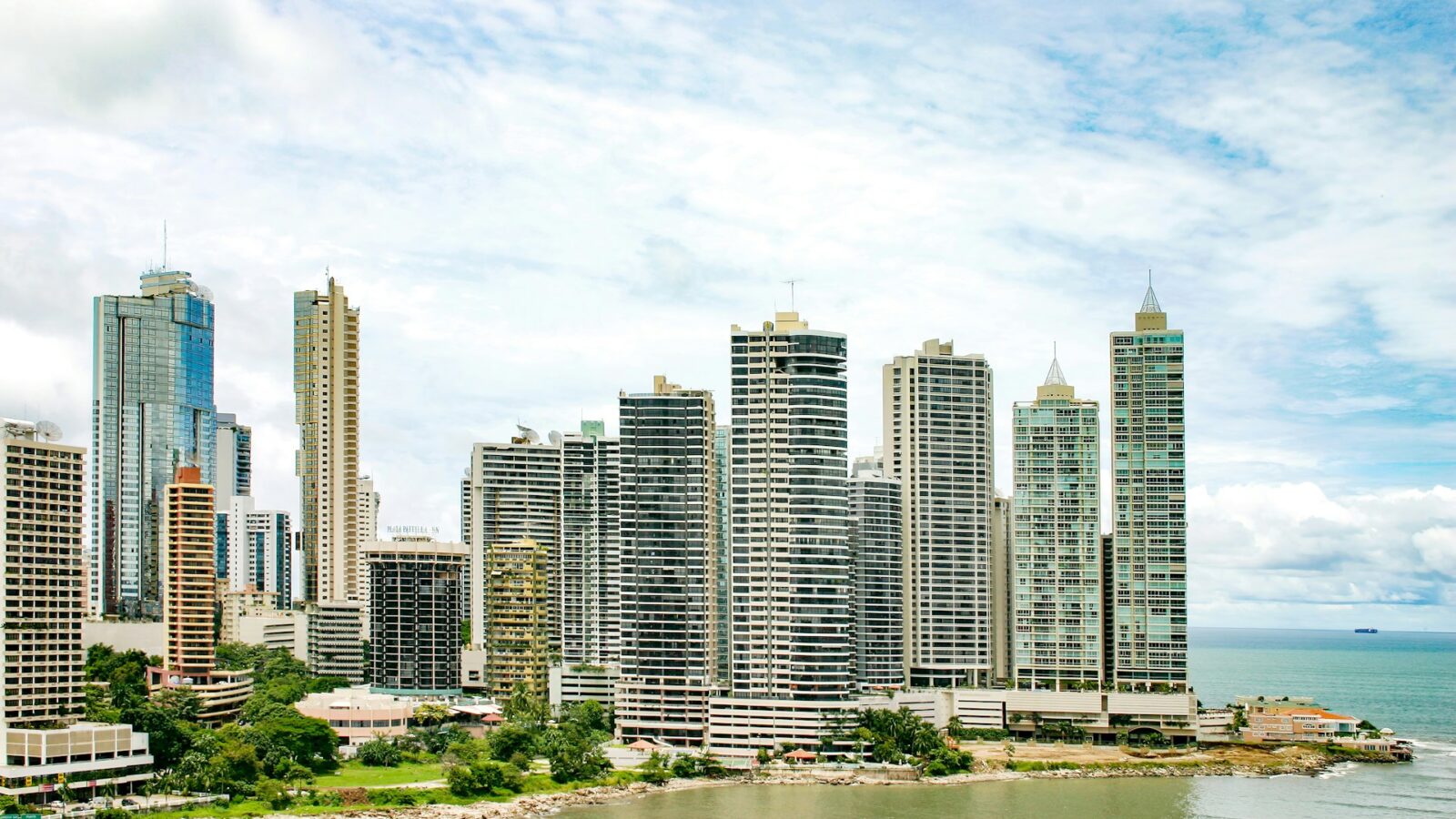
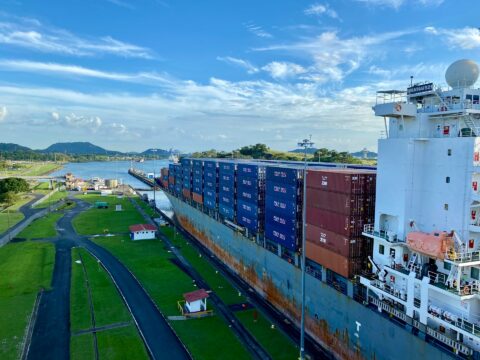
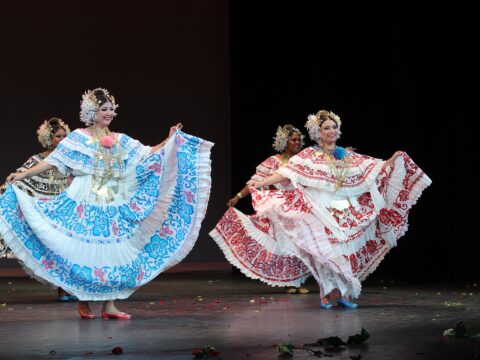
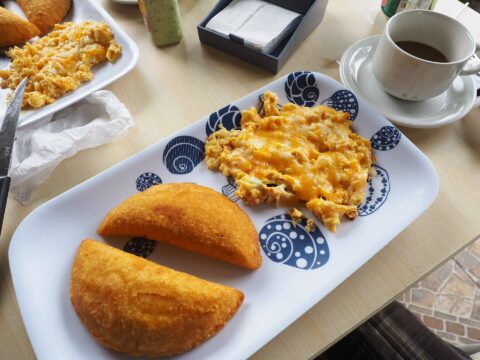
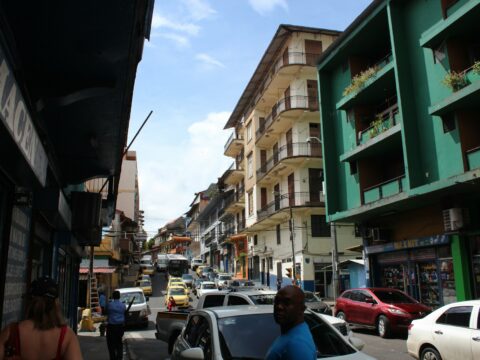
Panama sits where North and South America meet. It controls the Panama Canal, one of the world’s key shipping routes, and hosts the Colón Free Zone, one of the largest free trade zones in the Western Hemisphere. It uses the US dollar, runs mainly on services and logistics, and has one of the highest shares of ethnic Chinese of any Latin American country. For someone leaving China, Panama’s draw is clear: a mature Chinese community, a full Chinese-speaking business network, clearly written retirement and investment residency rules, and less currency risk than most of Latin America.
On the other hand, Panama restricts foreigners’ employment, the tropical climate and dengue take adjustment, cities such as Colón have security problems, and recent shifts in China–Panama and US–Panama relations affect the business climate. This guide covers culture, the economy, living costs, healthcare, the Chinese community and residency routes from the perspective of someone moving from China. Every figure has a source and year; check the National Migration Service (SNM) for the latest rules.
Why choose Panama
According to MOFCOM’s Country Guide: Panama (2025), Panama’s 2023 census counted 4.0647 million people. GDP was about US$81.2 billion in 2024, growing 2.75%, and GDP per capita about US$18,011, high for Latin America. China and Panama established diplomatic relations in June 2017, and bilateral trade reached US$12.83 billion in 2024; China is the largest supplier to the Colón Free Zone and the second-largest user of the canal.
The MOFCOM guide puts the overseas Chinese population at nearly 300,000, with people of Chinese descent making up about 7% of the population, mostly in Panamá Province (Panama City) and western Chiriquí Province. For newcomers, that means it is easy to find Chinese speakers to help with shopping, renting and job hunting.
Culture and etiquette
Spanish is the official language; English works in business circles and parts of Panama City’s service sector. About 72% of people are Catholic and about 10% Protestant. People are warm and relaxed: handshakes on meeting, cheek kisses among friends. Life moves more slowly than in China, and government offices and banks require patience.
- Climate: tropical maritime, averaging 24–30°C year-round, with a dry season and a rainy season of frequent afternoon storms.
- Currency: the balboa is pegged 1:1 to the US dollar and US banknotes circulate, so prices and exchange are simple for newcomers used to thinking in yuan and dollars.
- Dress: despite the heat, government offices and banks expect proper dress; skip shorts and flip-flops when doing paperwork.
Economy and jobs
Panama’s economy rests on the canal, shipping and logistics, finance, trade and tourism. MOFCOM says more than 40 large Chinese companies operate in Panama, 19 of them with Latin American regional headquarters there, in technology, infrastructure, shipping, telecoms, advanced manufacturing, trade and logistics; more than 200 private Chinese firms trade in the Colón Free Zone.
Note that Panama protects local employment strongly: foreign staff usually need a separate work permit, and some professions and retail trade are reserved for Panamanian citizens, so talk to a local lawyer before opening a shop. In February 2025 Panama announced it would not renew its Belt and Road cooperation document with China, adding uncertainty for Chinese-funded projects. Company set-up, hiring and tax are covered in our guide to doing business in Panama.
Cost of living
Panama City is expensive for Central America; rents are close to China’s tier-one cities, while transport and utilities are cheaper. The chart shows Numbeo crowd-sourced data as of October 2026 (US dollars):
On these figures, a single person renting a central one-bedroom flat in Panama City spends about US$2,100 a month, or about US$1,700 outside the centre. MOFCOM notes that food and household goods are plentiful and prices fairly stable; polished rice cost about US$3.03 per kg in December 2025. David and Boquete in Chiriquí are cheaper and popular with retirees. See our Panama cost of living guide for renting details.
Choosing where to live
Panama is small, and Chinese and foreign residents cluster in three areas. Weigh work, safety and budget:
| Area | What it’s like | Who it suits |
|---|---|---|
| Panama City (Panamá Province) | Hub for finance, shipping and regional headquarters; safest in the country; highest rents | Chinese company staff, professionals, families with school-age children |
| Colón (Colón Province) | Plenty of free-zone trade, but poor security in the city | Re-export traders who can live in Panama City and commute |
| David and Boquete (Chiriquí) | A Chinese hub with lower costs and a cooler climate in the highlands | Retirees, families running shops and restaurants |
When you first arrive, rent short-term in Panama City for a month or two, get used to banks, the immigration office and lawyers, and then decide whether to move to another province.
Healthcare
Public healthcare in Panama consists of Ministry of Health (MINSA) hospitals and the Social Security Fund (CSS); employees are insured through the CSS. According to MOFCOM, Panama had 7,515 doctors and 7,727 nurses in 2024 and 1.8 hospital beds per 1,000 people; life expectancy was 79.59 years in 2023. Private hospitals in Panama City are good, and many foreign residents combine them with private insurance.
Dengue is endemic in Panama. By 22 November 2025, 14,905 cases and 25 deaths had been reported that year. Protect yourself from mosquitoes in the rainy season, keep repellent at hand, see a doctor if you get a fever, and do not self-medicate with ibuprofen-type drugs.
Have a check-up in China before leaving and carry English notes for regular medicines; residency applications also require a health certificate. See our Panama insurance guide for cover options.
The Chinese community
Chinese ties to Panama go back to the construction of the Panama Railroad in the mid-19th century, followed by waves of Cantonese migrants. MOFCOM notes that Chinese Panamanians mainly run supermarkets, hardware and appliance stores, grocery and building-supply shops, travel agencies and restaurants, while the locally born second and third generations have moved into finance, real estate, universities and government. In Panama City almost every neighbourhood has a Chinese-run mini-market, and Chinese chambers of commerce, hometown associations and Chinese schools are active.
For newcomers, this network is a big help, but it also means fierce competition in traditional Chinese businesses such as retail and restaurants. Associations and Chinese schools are listed on our Chinese community in Panama page.
Visa and residency routes at a glance
Ordinary PRC passport holders need a visa for Panama, but those holding a valid visa or residence permit from the US, Canada, the UK, the EU, Australia, Japan, South Korea or Singapore can make short visa-free visits under the rules. The table shows the routes Chinese citizens use most; amounts come from the 2026 requirements of Panama’s National Migration Service:
| Route | Who it suits | Main requirement |
|---|---|---|
| Tourist visa | Scouting trips, family visits | Up to 90 days; fee B/.50; at least B/.500 in funds |
| Retiree (Pensionado) | People with a lifetime pension | Pension of at least US$1,000/month, or US$750 if you bought property over US$100,000 |
| Real estate | People with assets | Property of at least B/.300,000 in your name; 2-year temporary permit, then permanent |
| Fixed-term deposit | Investors who don’t want property | B/.300,000 in a Panamanian bank for at least 3 years |
| Short-stay remote worker visa | People working for foreign employers | Income of at least US$36,000/year; 9 months, extendable once |
Documents, fees and where to apply are in our Panama visa guide.
Safety and security
MOFCOM rates Panama’s crime rate as relatively low for Central and South America. Panama City is the safest, though some poor districts have gang activity; the Caribbean city of Colón is largely controlled by gangs and unsafe, although the free zone itself is a secured area. There were 579 homicide deaths in 2024; up to the end of 2025 there had been no terrorist attacks on, or kidnappings of, Chinese companies or citizens.
The Chinese embassy in Panama issued two reminders in 2025, on security precautions and on phone scams. In an emergency, call local police and the embassy’s consular protection line 00507-66779301; out-of-hours calls are forwarded to China’s global consular hotline 12308. More tips are in our Panama safety guide.
Leisure and local rules
At weekends you can head to the San Blas islands or Bocas del Toro, or watch giant ships pass the canal’s Miraflores Locks. Some Panama City hotels and entertainment venues have licensed casinos; whether gambling is legal locally and how it affects Chinese citizens is covered in Panama gambling laws.
Preparing in China before you leave
Panamanian residency applications require a notarised power of attorney, and in practice they are filed by a Panamanian lawyer. Criminal record, marriage and birth documents issued in China need to be notarised and legalised before you leave:
- Choose a routeBased on your pension, savings or property
- Prepare documents in ChinaCriminal record certificate and family notarial certificates, then legalise them
- Enter as a touristVisit first on a Panamanian visa or a qualifying third-country visa
- File through a lawyerSign the power of attorney in Panama; your lawyer files with SNM
- Get your cardOnce approved, collect your residence card and open a bank account
If you are still comparing Latin American countries, start with our South America overview.
Pros and cons
Pros
- Uses the US dollar; low currency risk
- About 300,000 ethnic Chinese and a strong Chinese network
- Clear retiree, deposit and property residency rules
- Canal and free zone create logistics and trade opportunities
Cons
- Limits on foreigners’ jobs and some business sectors
- High rents in Panama City, close to China’s tier-one cities
- Tropical climate and dengue
- Poor security in Colón; shifting policy environment
FAQ
Is moving to Panama a good idea?
It suits people with a stable pension, foreign income or a re-export trading business. If you plan to work for a local employer, employment restrictions are the main obstacle.
What are Panama’s main immigration requirements?
The most common routes are retiree residence with a US$1,000 monthly pension, and B/.300,000 in property or a fixed-term deposit; all require a criminal record certificate and a health certificate.
Do I need to change money in Panama?
No, Panama uses the US dollar. But moving money out of China is subject to the annual personal foreign exchange quota; see foreign exchange and moving money abroad.
Do I have to give up Chinese nationality to become Panamanian?
Yes. Panamanian naturalisation requires an express renunciation of your previous nationality, and China does not recognise dual nationality: acquiring a foreign nationality means automatically losing Chinese nationality.
Sources
- 商务部《对外投资合作国别(地区)指南:巴拿马(2025年版)》/ MOFCOM Country Guide: Panama (2025) (accessed October 2026)
- Numbeo: Cost of Living in Panama City (2026-10) (accessed October 2026)
- 中华人民共和国驻巴拿马共和国大使馆 / Chinese Embassy in Panama (accessed October 2026)
- Servicio Nacional de Migración de Panamá: Visas autorizadas (accessed October 2026)
- Servicio Nacional de Migración: Permisos migratorios (accessed October 2026)
- SNM: Jubilado pensionado (PE2) (accessed October 2026)
- SNM: Solvencia económica – bienes inmuebles (RP5) (accessed October 2026)
- SNM: Visa de corta estancia para trabajador remoto (PM18) (accessed October 2026)
- SNM: Requisitos de naturalización (NAT2) (accessed October 2026)
- Wikipedia: Visa requirements for Chinese citizens(次要来源)/ secondary source (accessed October 2026)